Soporte > FJD FV2000
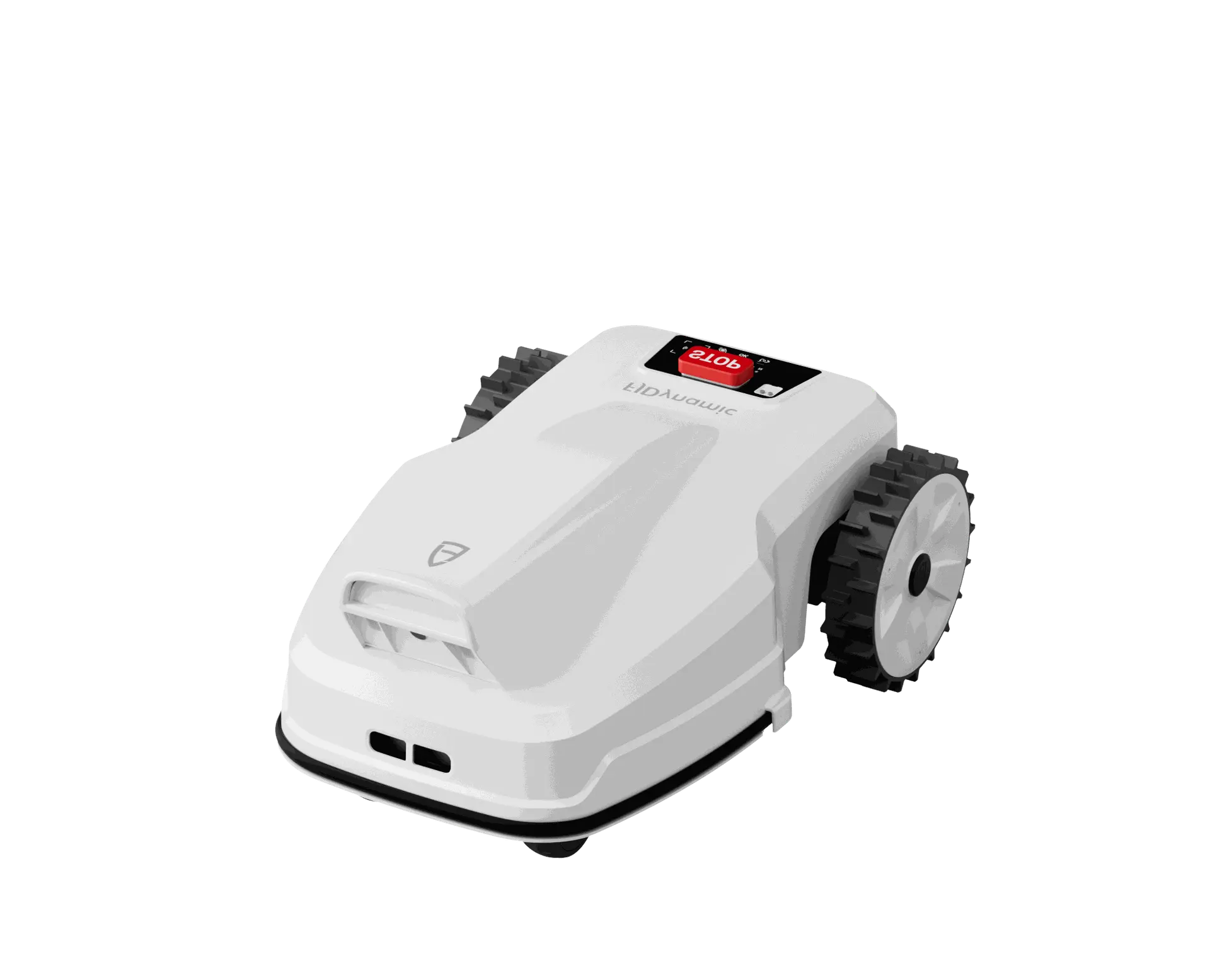
Folleto
Manual de usuario
Guía de inicio rápido
Unboxing
Mantenimiento & cuidado
Tutorial de la aplicación
Vídeo promocional
Vídeo de caso
Inglés
Alemán
Francés
Japonés
Español
Italiano
Inglés
FV2000
Desembalaje (RTK)
FV2000
Desembalaje (Sin RTK)
FV2000
Estación de carga
Instalación
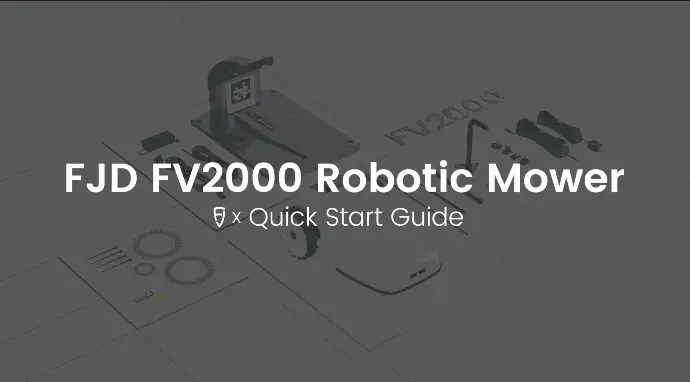
FV2000
Instalación de la estación base RTK (Opcional)
Inglés
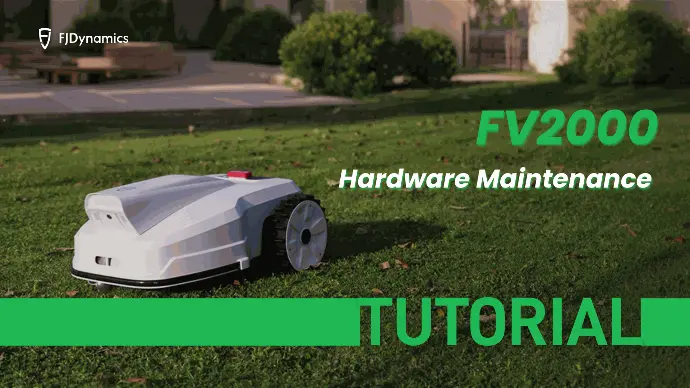
FV2000
Mantenimiento & cuidado
Inglés
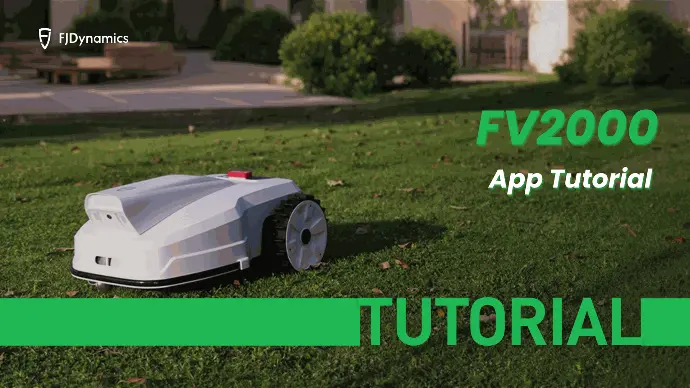
FV2000
Tutorial de la aplicación
Inglés
Español

FV2000
Vídeo promocional
Configurar un campo de fútbol con solo dos esquinas
Configurar un campo de fútbol con solo dos esquinas
Configurar un campo de fútbol con solo dos esquinas
Configurar un campo de fútbol con solo dos esquinas
Configurar un campo de fútbol con solo dos esquinas
Configurar un campo de fútbol con solo dos esquinas
Configurar un campo de fútbol con solo dos esquinas
Configurar un campo de fútbol con solo dos esquinas
Configurar un campo de fútbol con solo dos esquinas
Configurar un campo de fútbol con solo dos esquinas
Configurar un campo de fútbol con solo dos esquinas
Configurar un campo de fútbol con solo dos esquinas
Configurar un campo de fútbol con solo dos esquinas
Configurar un campo de fútbol con solo dos esquinas
Configurar un campo de fútbol con solo dos esquinas
Configurar un campo de fútbol con solo dos esquinas
Configurar un campo de fútbol con solo dos esquinas
Configurar un campo de fútbol con solo dos esquinas
Configurar un campo de fútbol con solo dos esquinas
Configurar un campo de fútbol con solo dos esquinas
Configurar un campo de fútbol con solo dos esquinas
Configurar un campo de fútbol con solo dos esquinas
Configurar un campo de fútbol con solo dos esquinas
Configurar un campo de fútbol con solo dos esquinas
Configurar un campo de fútbol con solo dos esquinas
Configurar un campo de fútbol con solo dos esquinas
Configurar un campo de fútbol con solo dos esquinas
Configurar un campo de fútbol con solo dos esquinas
Configurar un campo de fútbol con solo dos esquinas
Configurar un campo de fútbol con solo dos esquinas
Configurar un campo de fútbol con solo dos esquinas
Inglés
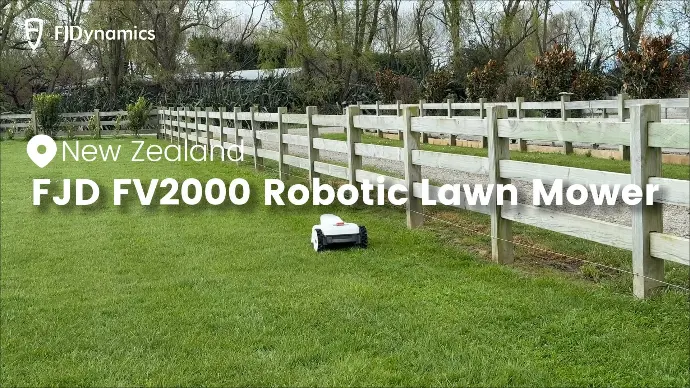
FV2000-Nueva Zelanda
Configurar un campo de fútbol con solo dos esquinas
Configurar un campo de fútbol con solo dos esquinas
Configurar un campo de fútbol con solo dos esquinas
Configurar un campo de fútbol con solo dos esquinas
Configurar un campo de fútbol con solo dos esquinas
Configurar un campo de fútbol con solo dos esquinas
Configurar un campo de fútbol con solo dos esquinas
Configurar un campo de fútbol con solo dos esquinas
Configurar un campo de fútbol con solo dos esquinas
Configurar un campo de fútbol con solo dos esquinas
Configurar un campo de fútbol con solo dos esquinas
Configurar un campo de fútbol con solo dos esquinas
Configurar un campo de fútbol con solo dos esquinas
Configurar un campo de fútbol con solo dos esquinas
Configurar un campo de fútbol con solo dos esquinas
Configurar un campo de fútbol con solo dos esquinas
Configurar un campo de fútbol con solo dos esquinas
Configurar un campo de fútbol con solo dos esquinas
Configurar un campo de fútbol con solo dos esquinas
Configurar un campo de fútbol con solo dos esquinas
Configurar un campo de fútbol con solo dos esquinas
Configurar un campo de fútbol con solo dos esquinas
Configurar un campo de fútbol con solo dos esquinas
Configurar un campo de fútbol con solo dos esquinas
Configurar un campo de fútbol con solo dos esquinas
Configurar un campo de fútbol con solo dos esquinas
Configurar un campo de fútbol con solo dos esquinas
Configurar un campo de fútbol con solo dos esquinas
Configurar un campo de fútbol con solo dos esquinas
Configurar un campo de fútbol con solo dos esquinas
Configurar un campo de fútbol con solo dos esquinas
Configurar un campo de fútbol con solo dos esquinas
Configurar un campo de fútbol con solo dos esquinas
Configurar un campo de fútbol con solo dos esquinas
Configurar un campo de fútbol con solo dos esquinas
Configurar un campo de fútbol con solo dos esquinas
Inglés
Portugués
Japonés
Cargador inalámbrico
Chino
Ruso
Otro
Configurar un campo de fútbol con solo dos esquinas
Configurar un campo de fútbol con solo dos esquinas
Configurar un campo de fútbol con solo dos esquinas
Configurar un campo de fútbol con solo dos esquinas
Configurar un campo de fútbol con solo dos esquinas
Configurar un campo de fútbol con solo dos esquinas
Configurar un campo de fútbol con solo dos esquinas
Configurar un campo de fútbol con solo dos esquinas
Configurar un campo de fútbol con solo dos esquinas
Configurar un campo de fútbol con solo dos esquinas
Configurar un campo de fútbol con solo dos esquinas
Configurar un campo de fútbol con solo dos esquinas
Configurar un campo de fútbol con solo dos esquinas
Configurar un campo de fútbol con solo dos esquinas
Configurar un campo de fútbol con solo dos esquinas
Configurar un campo de fútbol con solo dos esquinas
Configurar un campo de fútbol con solo dos esquinas
Configurar un campo de fútbol con solo dos esquinas
Configurar un campo de fútbol con solo dos esquinas
Configurar un campo de fútbol con solo dos esquinas
Configurar un campo de fútbol con solo dos esquinas
Configurar un campo de fútbol con solo dos esquinas
Configurar un campo de fútbol con solo dos esquinas
Configurar un campo de fútbol con solo dos esquinas
Configurar un campo de fútbol con solo dos esquinas
Configurar un campo de fútbol con solo dos esquinas
Configurar un campo de fútbol con solo dos esquinas
Configurar un campo de fútbol con solo dos esquinas
Configurar un campo de fútbol con solo dos esquinas
Configurar un campo de fútbol con solo dos esquinas
Configurar un campo de fútbol con solo dos esquinas
Configurar un campo de fútbol con solo dos esquinas
Configurar un campo de fútbol con solo dos esquinas
Configurar un campo de fútbol con solo dos esquinas
Configurar un campo de fútbol con solo dos esquinas
Configurar un campo de fútbol con solo dos esquinas
Configurar un campo de fútbol con solo dos esquinas
Configurar un campo de fútbol con solo dos esquinas
Configurar un campo de fútbol con solo dos esquinas
Configurar un campo de fútbol con solo dos esquinas
Configurar un campo de fútbol con solo dos esquinas
Configurar un campo de fútbol con solo dos esquinas
Inglés
Portugués
Japonés
Cargador inalámbrico
Chino
Ruso
Otro
¿Cómo configuro una estación base?
1.Confirme que se ha tendido la línea de delimitación: Asegúrese de que la línea de delimitación del área de trabajo designada para el robot (normalmente cables enterrados bajo tierra o fijados al suelo) esté correctamente instalada y encendida.
2.Limpieza del césped: Antes de comenzar por primera vez, retire piedras, ramas, juguetes y otros residuos del césped para evitar daños en la máquina o atascos.
3.Compruebe el cuerpo: Asegúrese de que el robot no presente daños significativos y de que las cuchillas estén instaladas de forma segura (si se utiliza por primera vez).
¿Cómo configuro una estación base?
1.Confirme que se ha tendido la línea de delimitación: Asegúrese de que la línea de delimitación del área de trabajo designada para el robot (normalmente cables enterrados bajo tierra o fijados al suelo) esté correctamente instalada y encendida.
2.Limpieza del césped: Antes de comenzar por primera vez, retire piedras, ramas, juguetes y otros residuos del césped para evitar daños en la máquina o atascos.
3.Compruebe el cuerpo: Asegúrese de que el robot no presente daños significativos y de que las cuchillas estén instaladas de forma segura (si se utiliza por primera vez).
¿Cómo configuro una estación base?
1.Confirme que se ha tendido la línea de delimitación: Asegúrese de que la línea de delimitación del área de trabajo designada para el robot (normalmente cables enterrados bajo tierra o fijados al suelo) esté correctamente instalada y encendida.
2.Limpieza del césped: Antes de comenzar por primera vez, retire piedras, ramas, juguetes y otros residuos del césped para evitar daños en la máquina o atascos.
3.Compruebe el cuerpo: Asegúrese de que el robot no presente daños significativos y de que las cuchillas estén instaladas de forma segura (si se utiliza por primera vez).
¿Cómo configuro una estación base?
1.Confirme que se ha tendido la línea de delimitación: Asegúrese de que la línea de delimitación del área de trabajo designada para el robot (normalmente cables enterrados bajo tierra o fijados al suelo) esté correctamente instalada y encendida.
2.Limpieza del césped: Antes de comenzar por primera vez, retire piedras, ramas, juguetes y otros residuos del césped para evitar daños en la máquina o atascos.
3.Compruebe el cuerpo: Asegúrese de que el robot no presente daños significativos y de que las cuchillas estén instaladas de forma segura (si se utiliza por primera vez).
¿Cómo configuro una estación base?
1.Confirme que se ha tendido la línea de delimitación: Asegúrese de que la línea de delimitación del área de trabajo designada para el robot (normalmente cables enterrados bajo tierra o fijados al suelo) esté correctamente instalada y encendida.
2.Limpieza del césped: Antes de comenzar por primera vez, retire piedras, ramas, juguetes y otros residuos del césped para evitar daños en la máquina o atascos.
3.Compruebe el cuerpo: Asegúrese de que el robot no presente daños significativos y de que las cuchillas estén instaladas de forma segura (si se utiliza por primera vez).
¿Cómo configuro una estación base?
1.Confirme que se ha tendido la línea de delimitación: Asegúrese de que la línea de delimitación del área de trabajo designada para el robot (normalmente cables enterrados bajo tierra o fijados al suelo) esté correctamente instalada y encendida.
2.Limpieza del césped: Antes de comenzar por primera vez, retire piedras, ramas, juguetes y otros residuos del césped para evitar daños en la máquina o atascos.
3.Compruebe el cuerpo: Asegúrese de que el robot no presente daños significativos y de que las cuchillas estén instaladas de forma segura (si se utiliza por primera vez).
¿Cómo configuro una estación base?
1.Confirme que se ha tendido la línea de delimitación: Asegúrese de que la línea de delimitación del área de trabajo designada para el robot (normalmente cables enterrados bajo tierra o fijados al suelo) esté correctamente instalada y encendida.
2.Limpieza del césped: Antes de comenzar por primera vez, retire piedras, ramas, juguetes y otros residuos del césped para evitar daños en la máquina o atascos.
3.Compruebe el cuerpo: Asegúrese de que el robot no presente daños significativos y de que las cuchillas estén instaladas de forma segura (si se utiliza por primera vez).
¿Cómo configuro una estación base?
1.Confirme que se ha tendido la línea de delimitación: Asegúrese de que la línea de delimitación del área de trabajo designada para el robot (normalmente cables enterrados bajo tierra o fijados al suelo) esté correctamente instalada y encendida.
2.Limpieza del césped: Antes de comenzar por primera vez, retire piedras, ramas, juguetes y otros residuos del césped para evitar daños en la máquina o atascos.
3.Compruebe el cuerpo: Asegúrese de que el robot no presente daños significativos y de que las cuchillas estén instaladas de forma segura (si se utiliza por primera vez).
¿Cómo configuro una estación base?
1.Confirme que se ha tendido la línea de delimitación: Asegúrese de que la línea de delimitación del área de trabajo designada para el robot (normalmente cables enterrados bajo tierra o fijados al suelo) esté correctamente instalada y encendida.
2.Limpieza del césped: Antes de comenzar por primera vez, retire piedras, ramas, juguetes y otros residuos del césped para evitar daños en la máquina o atascos.
3.Compruebe el cuerpo: Asegúrese de que el robot no presente daños significativos y de que las cuchillas estén instaladas de forma segura (si se utiliza por primera vez).
¿Cómo configuro una estación base?
1.Confirme que se ha tendido la línea de delimitación: Asegúrese de que la línea de delimitación del área de trabajo designada para el robot (normalmente cables enterrados bajo tierra o fijados al suelo) esté correctamente instalada y encendida.
2.Limpieza del césped: Antes de comenzar por primera vez, retire piedras, ramas, juguetes y otros residuos del césped para evitar daños en la máquina o atascos.
3.Compruebe el cuerpo: Asegúrese de que el robot no presente daños significativos y de que las cuchillas estén instaladas de forma segura (si se utiliza por primera vez).
¿Cómo configuro una estación base?
1.Confirme que se ha tendido la línea de delimitación: Asegúrese de que la línea de delimitación del área de trabajo designada para el robot (normalmente cables enterrados bajo tierra o fijados al suelo) esté correctamente instalada y encendida.
2.Limpieza del césped: Antes de comenzar por primera vez, retire piedras, ramas, juguetes y otros residuos del césped para evitar daños en la máquina o atascos.
3.Compruebe el cuerpo: Asegúrese de que el robot no presente daños significativos y de que las cuchillas estén instaladas de forma segura (si se utiliza por primera vez).
¿Cómo configuro una estación base?
1.Confirme que se ha tendido la línea de delimitación: Asegúrese de que la línea de delimitación del área de trabajo designada para el robot (normalmente cables enterrados bajo tierra o fijados al suelo) esté correctamente instalada y encendida.
2.Limpieza del césped: Antes de comenzar por primera vez, retire piedras, ramas, juguetes y otros residuos del césped para evitar daños en la máquina o atascos.
3.Compruebe el cuerpo: Asegúrese de que el robot no presente daños significativos y de que las cuchillas estén instaladas de forma segura (si se utiliza por primera vez).
¿Cómo configuro una estación base?
1.Confirme que se ha tendido la línea de delimitación: Asegúrese de que la línea de delimitación del área de trabajo designada para el robot (normalmente cables enterrados bajo tierra o fijados al suelo) esté correctamente instalada y encendida.
2.Limpieza del césped: Antes de comenzar por primera vez, retire piedras, ramas, juguetes y otros residuos del césped para evitar daños en la máquina o atascos.
3.Compruebe el cuerpo: Asegúrese de que el robot no presente daños significativos y de que las cuchillas estén instaladas de forma segura (si se utiliza por primera vez).
¿Cómo configuro una estación base?
1.Confirme que se ha tendido la línea de delimitación: Asegúrese de que la línea de delimitación del área de trabajo designada para el robot (normalmente cables enterrados bajo tierra o fijados al suelo) esté correctamente instalada y encendida.
2.Limpieza del césped: Antes de comenzar por primera vez, retire piedras, ramas, juguetes y otros residuos del césped para evitar daños en la máquina o atascos.
3.Compruebe el cuerpo: Asegúrese de que el robot no presente daños significativos y de que las cuchillas estén instaladas de forma segura (si se utiliza por primera vez).
¿Cómo configuro una estación base?
1.Confirme que se ha tendido la línea de delimitación: Asegúrese de que la línea de delimitación del área de trabajo designada para el robot (normalmente cables enterrados bajo tierra o fijados al suelo) esté correctamente instalada y encendida.
2.Limpieza del césped: Antes de comenzar por primera vez, retire piedras, ramas, juguetes y otros residuos del césped para evitar daños en la máquina o atascos.
3.Compruebe el cuerpo: Asegúrese de que el robot no presente daños significativos y de que las cuchillas estén instaladas de forma segura (si se utiliza por primera vez).
¿Cómo configuro una estación base?
1.Confirme que se ha tendido la línea de delimitación: Asegúrese de que la línea de delimitación del área de trabajo designada para el robot (normalmente cables enterrados bajo tierra o fijados al suelo) esté correctamente instalada y encendida.
2.Limpieza del césped: Antes de comenzar por primera vez, retire piedras, ramas, juguetes y otros residuos del césped para evitar daños en la máquina o atascos.
3.Compruebe el cuerpo: Asegúrese de que el robot no presente daños significativos y de que las cuchillas estén instaladas de forma segura (si se utiliza por primera vez).
¿Cómo configuro una estación base?
1.Confirme que se ha tendido la línea de delimitación: Asegúrese de que la línea de delimitación del área de trabajo designada para el robot (normalmente cables enterrados bajo tierra o fijados al suelo) esté correctamente instalada y encendida.
2.Limpieza del césped: Antes de comenzar por primera vez, retire piedras, ramas, juguetes y otros residuos del césped para evitar daños en la máquina o atascos.
3.Compruebe el cuerpo: Asegúrese de que el robot no presente daños significativos y de que las cuchillas estén instaladas de forma segura (si se utiliza por primera vez).
¿Cómo configuro una estación base?
1.Confirme que se ha tendido la línea de delimitación: Asegúrese de que la línea de delimitación del área de trabajo designada para el robot (normalmente cables enterrados bajo tierra o fijados al suelo) esté correctamente instalada y encendida.
2.Limpieza del césped: Antes de comenzar por primera vez, retire piedras, ramas, juguetes y otros residuos del césped para evitar daños en la máquina o atascos.
3.Compruebe el cuerpo: Asegúrese de que el robot no presente daños significativos y de que las cuchillas estén instaladas de forma segura (si se utiliza por primera vez).
¿Cómo configuro una estación base?
1.Confirme que se ha tendido la línea de delimitación: Asegúrese de que la línea de delimitación del área de trabajo designada para el robot (normalmente cables enterrados bajo tierra o fijados al suelo) esté correctamente instalada y encendida.
2.Limpieza del césped: Antes de comenzar por primera vez, retire piedras, ramas, juguetes y otros residuos del césped para evitar daños en la máquina o atascos.
3.Compruebe el cuerpo: Asegúrese de que el robot no presente daños significativos y de que las cuchillas estén instaladas de forma segura (si se utiliza por primera vez).
¿Cómo configuro una estación base?
1.Confirme que se ha tendido la línea de delimitación: Asegúrese de que la línea de delimitación del área de trabajo designada para el robot (normalmente cables enterrados bajo tierra o fijados al suelo) esté correctamente instalada y encendida.
2.Limpieza del césped: Antes de comenzar por primera vez, retire piedras, ramas, juguetes y otros residuos del césped para evitar daños en la máquina o atascos.
3.Compruebe el cuerpo: Asegúrese de que el robot no presente daños significativos y de que las cuchillas estén instaladas de forma segura (si se utiliza por primera vez).
¿Cómo configuro una estación base?
1.Confirme que se ha tendido la línea de delimitación: Asegúrese de que la línea de delimitación del área de trabajo designada para el robot (normalmente cables enterrados bajo tierra o fijados al suelo) esté correctamente instalada y encendida.
2.Limpieza del césped: Antes de comenzar por primera vez, retire piedras, ramas, juguetes y otros residuos del césped para evitar daños en la máquina o atascos.
3.Compruebe el cuerpo: Asegúrese de que el robot no presente daños significativos y de que las cuchillas estén instaladas de forma segura (si se utiliza por primera vez).